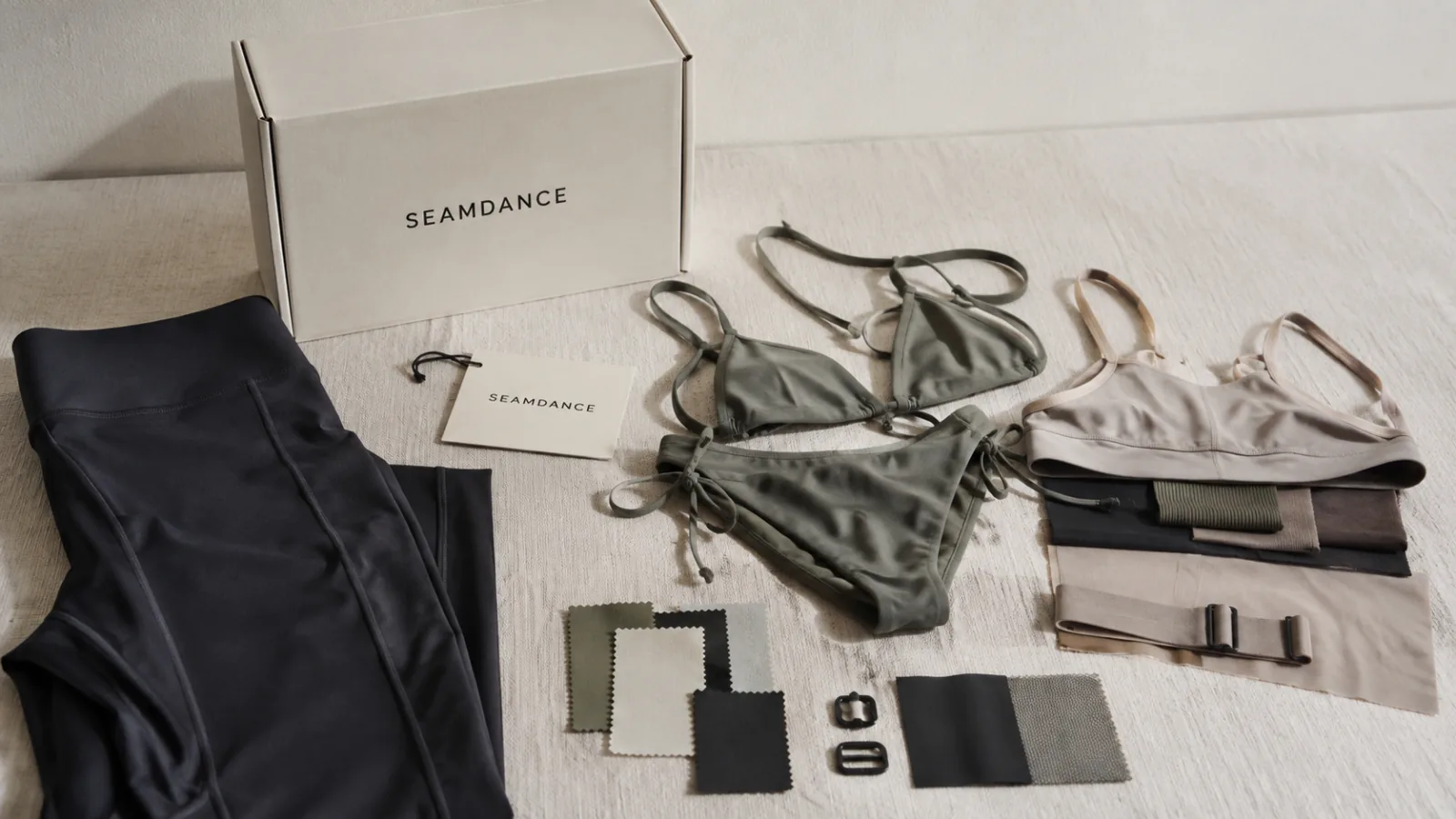
The second category is where a brand stops being a product and starts being a range — and where a surprising number of brands lose money on a launch that sold reasonably well. The cause is rarely the product. It is that a new category brings a different factory, a different minimum, sometimes a different compliance regime and a different seasonal calendar, and those arrive together.
The short answer
- A new category usually means a different factory and construction — not simply another style at your current supplier.
- Confirm the minimum structure first: whether the new category carries its own MOQ or can share a consolidated order.
- Check compliance separately per category — swim, kids and accessories can carry requirements your current range never triggered.
- Validate demand from existing customers before development, and size the first run to prove repeatability rather than to maximise margin.
One and two: construction and factory
First, establish whether the category is a different construction. Swimwear is not leggings in different fabric — it involves different elastics, different linings, chlorine and UV resistance, and usually a different factory. Bags and mats are hard goods with no relationship to a knitting mill at all. If the answer is a different factory, everything downstream changes: sampling calendar, minimum, inspection, ship date.
Second, confirm who actually makes it. A supplier saying yes to a new category may be routing it to a partner they qualified this month, or this week. Ask which facility, what else it produces, and how it was qualified. This is the moment when a comfortable relationship quietly turns into an untested one.
Neither question is about doubting a supplier. It is about knowing whether you are adding a product or adding a supply chain — because you will manage them differently.
Three: how the minimum works across categories
Minimums are where category extensions most often break. A brand comfortable at a few hundred units in its core category discovers that the new one carries its own minimum at a different factory, in a different fabric, with its own color minimums on top.
Ask specifically: does the new category share a consolidated order minimum, or stand alone? What is the minimum per color, which is usually the binding constraint rather than per style? And what does the second color cost compared with the second thousand units?
The answers determine the shape of the launch. Sometimes the right decision is one color in the new category and a wider offer in the proven one — a smaller, sharper range that does not tie up cash in inventory you added for the sake of completeness.
Four: compliance does not transfer
Your existing category's paperwork does not extend to a new one. Swim can bring UV performance claims and their substantiation. Anything sold for children brings a separate regime. Accessories can involve materials and components your apparel program never touched, each with its own labeling and substance considerations.
Certificates are article-specific: a Standard 100 certificate covering your jersey says nothing about swim fabric, molded cups, hardware or a mat's foam. Assume every new component is undocumented until shown otherwise, and ask for the documents during development while there is still time to change a supplier.
This is worth a written check per market, not a general assurance. The cost of finding out at customs, or from a marketplace listing rejection, is measured in a whole season.
Five and six: timing and demand
Fifth, check the calendar collision. A new category with a different factory has its own lead time, and the two categories now need to arrive together if they launch together. Add the seasonal reality: swim development competing with peak swim season, or any category running into a Chinese New Year shutdown, will not move at the pace your first category taught you to expect.
Sixth, validate the demand before development rather than after. The strongest signal is unprompted: customers already asking, or buying the category elsewhere in the same basket. The weakest is that competitors have it. Competitors also have inventory problems you cannot see.
Then size the first run to prove repeatability, not to maximise margin. A first run exists to answer whether the category sells, whether the factory can repeat it, and whether it fits your brand standard — three questions best answered with the smallest order that can answer them honestly.
The version that works
Category extension goes smoothly when the new category is routed to a specialist rather than forced into the current factory, qualified before the order rather than during it, and folded into the same approval path, inspection standard and shipment as the existing range.
That last part is what keeps a two-category brand from becoming a two-supply-chain brand: the new category should add products to your range without adding a second set of dates, standards and freight bills to manage.
Handled that way, the third and fourth categories are considerably easier than the second — the structure already exists, and each addition is a routing decision rather than a new relationship.
Quick answers
Can my current activewear factory just make swimwear too?
Sometimes, but check before assuming. Swim involves different elastics, linings and chlorine and UV resistance, and it is frequently a different plant. A factory that accepts the work without discussing those differences is a warning sign rather than a convenience.
How small can a first run in a new category be?
Small enough to be recoverable if it does not sell, large enough to be a fair test of the product and the factory. In practice the color minimum usually sets the floor. Fewer colors in a meaningful quantity beats a wide offer at the absolute minimum of each.
Sourcing styles for your line? The 2026 catalogue lists every ready-to-develop style — colorways, materials, quote list built in.